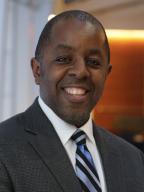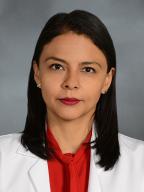
Residency Program Director: Sandra Huicochea-Castellanos, M.D.
Associate Program Director: Matthew Agee, M.D.
ACGME: 2003511052 – NewYork-Presbyterian Hospital (CORNELL CAMPUS)

Our Vision
Nuclear Medicine must transform itself and embrace its community—a transformation that must occur for precision medicine to align with molecular imaging and for each to reach its true potential. This process acknowledges not only the study of the aggregate population's needs but also the molecular signatures that make imaging and therapy personalized. As such, the Nuclear Medicine Residency is the training site for Molecular Imaging and Therapeutics (MI&T), an updated descriptor of increasingly sub-cellular interrogations developed over the last five decades.
Located in Manhattan's Upper East Side, part of the Weill Cornell Medicine Department of Radiology, we serve an incredibly diverse patient population and treat a wide spectrum of diseases. Many of our imaging agents are investigational but will become FDA-approved during the span of your training. Therefore, we are always preparing for the practice of the future. What we do today is but a subset of what the future will require to remain proficient in practice.
Overview
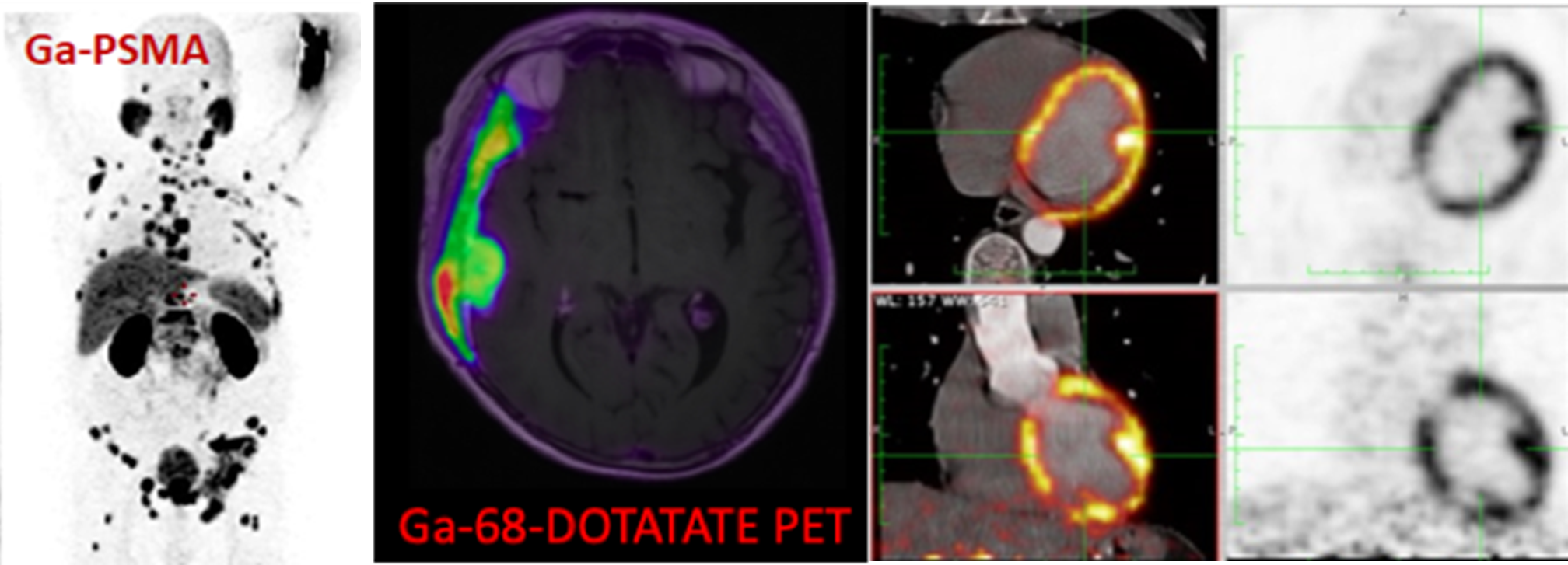
Our current one-, two-, and three-year ACGME-accredited Nuclear Medicine Residency Program (ACGME Number: 2003511052) provides specialized training in diagnostic and therapeutic nuclear medicine. As part of our academic mission, we proudly train diagnostic radiology and nuclear medicine residents. Nuclear medicine and radiology faculty train in the core competencies of image interpretation, radiotherapy procedures, and molecular imaging research. Our in-house radiopharmacy and on-site cyclotron capabilities allow us to provide exposure to new radiopharmaceutical and radioisotope therapies, which is increasingly a part of personalized patient management.
Facilities
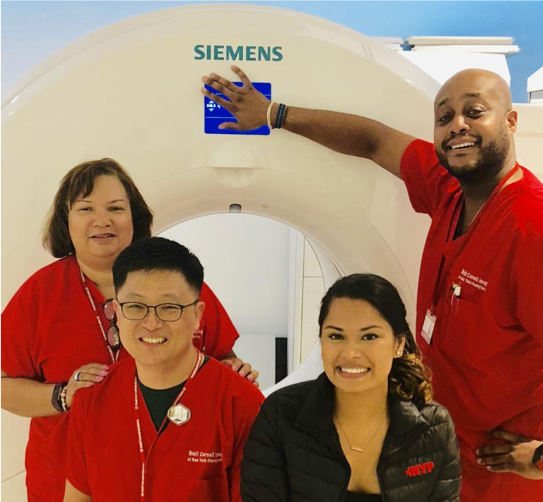
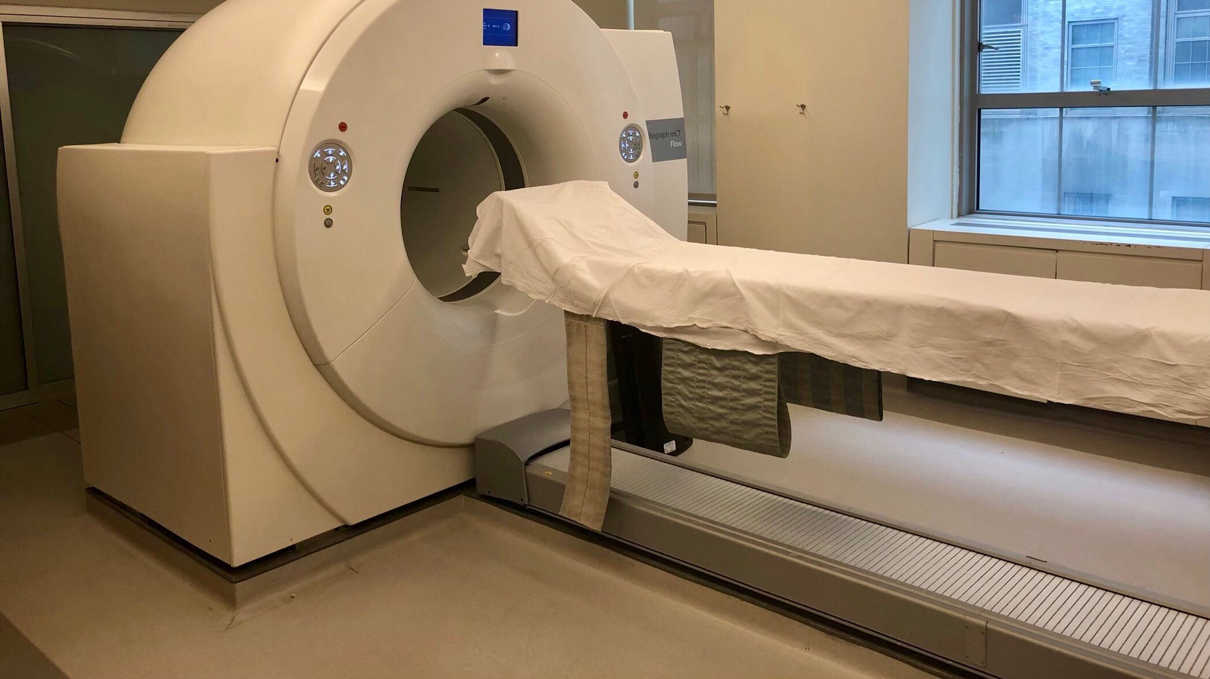
Our facilities include an array of SPECT and SPECT/CT cameras to perform our single photon and post-therapeutic studies, 3 PET/MRI and several PET/CT scanners. We also perform a large volume of daily clinical and investigational PET studies on Siemens mCT scanners, which are read by both the Molecular Imaging and Body Imaging services.
We have dedicated therapeutic infusion spaces and a research radiopharmacy to accommodate the increasing volume of approved and investigational therapeutic clinical trials.
The Citigroup Biomedical Imaging Center (CBIC) has a state-of-the-art cyclotron and many hot cells to produce high-quality radiopharmaceuticals with radioisotopes, including Carbon-11, Nitrogen-13, Fluorine 18, Zirconium-87, and Iodine-124. Small animal PET and SPECT cameras are also available.
Research and the Molecular Imaging Innovations Institute (MI4)
As the Clinical Chief of the Molecular Imaging Innovation Institute (MI3), Dr. Joseph Osborne has positioned MI4 and his faculty (Dr. Ivanidze laboratory) to connect clinical care to database mining, preclinical studies (MI3—Belfer Research Building), and phase 0/1 studies where pharmacokinetic and pharmacodynamics studies will be performed (MI4—C.V. Starr Pavilion).
As inclusion is a large part of the mission, population health studies and outreach will be part of the work being done. It is distinct from the training program, but all are encouraged to join. Access to precision medicine and molecularly targeted therapies is as important to the service as the development of the technologies.
The MI4 space is connected to the nuclear medicine clinic and clinical radiopharmacy so that these early clinical trials can be performed near the necessary analysis of blood or urine-based correlatives.
Mentoring Cascade
A mentoring cascade is a form of intergenerational learning in which knowledge, values, and practice cascades from generation to generation. We have distinct mentoring teams composed of faculty members, residents, and medical students who interact and work together closely.
Schedule & Responsibilities
General Schedule
Residents participate in dynamic, one-to-two-week rotations that provide comprehensive, hands-on training across the full spectrum of nuclear medicine. Rotations include General Nuclear Medicine, PET, Nuclear Cardiology, Therapeutic Nuclear Medicine, Radiopharmacy, Neuroradiology, Body Imaging and Chest Imaging.
The curriculum is rigorous and multidisciplinary, encompassing didactic sessions such as Interesting Case Conferences, Journal Club, Chapter Reviews, and Peer Learning Sessions. To ensure comprehensive professional development, the program also integrates periodic lectures on Professionalism and Patient Safety.
Educational enrichment extends beyond the department through webinars offered by the Society of Nuclear Medicine & Molecular Imaging (SNMMI) and collaborative learning opportunities with Memorial Sloan Kettering Cancer Center, which provides advanced instruction in physics and specialized topics. During their training, the resident will be exposed to cardiac viability imaging and myocardial sarcoidosis imaging.
Residents are strongly encouraged to engage in research activities, fostering scholarly inquiry, and contributing to the advancement of nuclear medicine.
Call Responsibilities
The call responsibilities change subtly every year. At present, there are no weekend call responsibilities. Residents have evening calls from 5-7 pm approximately 7-10 days each month.
Electives and Vacation
The trainees have 20 days of vacation and an additional 7 sick days. In general, the trainees spend 2-4 weeks per year on electives, but these decisions are made based on seniority prior to training and with consideration of the other residents scheduled in the clinic.
Current Residents (2025-2026):
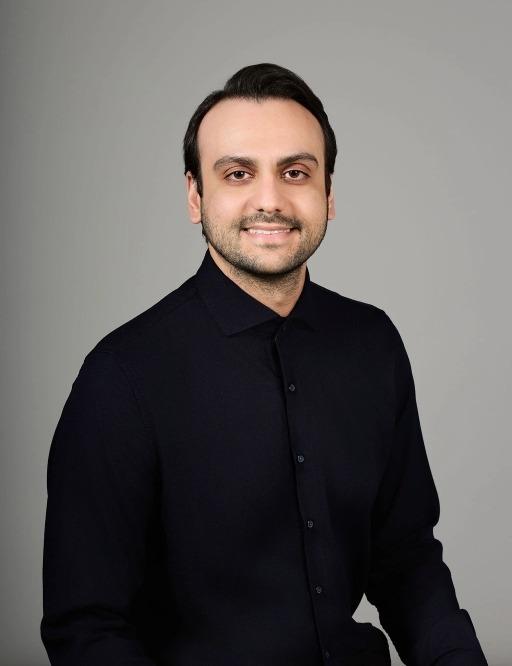
Arman Sharbatdaran (Chief Resident)
Dr. Arman Sharbatdaran is the Molecular Imaging & Therapeutics (MIT) chief resident at NewYork-Presbyterian Hospital/Weill Cornell Medicine. He grew up in Vancouver, Canada, and earned a Bachelor of Science in Food, Nutrition, and Health from the University of British Columbia, followed by his medical degree from St. George’s University School of Medicine. He completed a general surgery internship at Rutgers New Jersey Medical School prior to beginning residency training. His academic interests include molecular imaging, quantitative imaging methods, artificial intelligence applications in MRI, and medical education, with publications in peer-reviewed journals. He is a recipient of the RSNA Research Trainee Prize and was named Reviewer of the Month by the Journal of Quantitative Imaging in Medicine and Surgery in 2025. Outside the hospital, he enjoys staying active through table tennis, soccer, and boxing, and often turns to reading, music, and visual art for inspiration, reflection, and a reset outside of clinical work.

Preeti Kakkar
ECFMG-certified physician and radiologist (India) with 15+ years of experience in diagnostic radiology and fetal medicine. Currently a Nuclear Medicine resident at NewYork-Presbyterian/Weill Cornell and former Chief of Services at Orbit Scan Centre, India. Published author, journal reviewer, and active member of IMA, AIRA, and International fetal medicine societies. She enjoys spending quality time with her family, whether it’s cooking together, traveling, or playing squash and tennis.
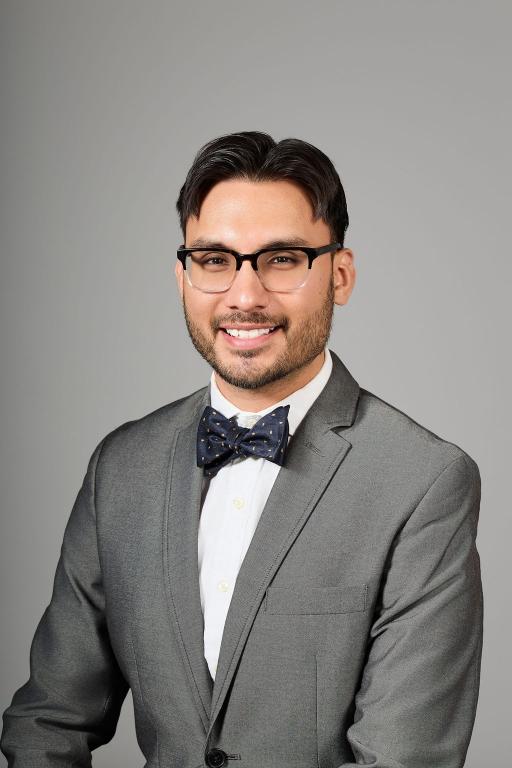
Michael Gill
With a vibrant Peruvian and Indian background, Michael was born and raised in Washington, DC, and later pursued his undergraduate studies at UMBC before completing medical school at Georgetown University. His passions span from adventurous outdoor activities like hiking, off-roading, stargazing, and weightlifting to social gatherings with friends featuring go-kart races and bi-weekly pick-up basketball games, capped with restorative pool sessions. He thrives on exploring cultural and music festivals, food crawls, immersive museum exhibits, art and technology installations, and dance classes, channeling his active spirit into both challenges and enriching experiences that celebrate community, creativity, and global culture.
Where Our Graduates Have Gone
Several of our graduates elect to work in academic settings following residency. Some go on to fellowships or pursue dual certification in radiology or radiation oncology.
How to Apply:
The NYPH/WCM Nuclear Medicine Residency Program participates in the ERAS system for residency applications on the December application cycle.
Please note that we are no longer accepting for the 2026-2027 academic year as all of our spots are filled. The next application cycle we will participate in is the 2027-2028 academic year.
This is subject to change so please check back in routinely for updates.
Important ERAS Application Dates:
- September: Nuclear Medicine starts accepting applications from residency applicants.
- November: ERAS application deadline.
The Nuclear Medicine Residency Program does not participate in the NRMP match. Once applications have been reviewed, interview invites will be distributed. After the interviews, the selection committee discusses the candidates and delivers offer letters.
If you have any questions regarding the Nuclear Medicine Residency Program, please contact:
Karishma Patel
Education Specialist
NewYork-Presbyterian Hospital/Weill Cornell Medicine
525 East 68th Street, New York, NY 10065
(E) kap4015@med.cornell.edu
Nuclear Radiology Faculty: